Peppa and friends learn healthy habits, teamwork, challenge, honesty, and independence through real scenes – 20min practical guide
Summary
Peppa‘s health check covers measuring, weighing, heart rate, ears, teeth, and nutrition habits. Through play, exercise, rules, and problem-solving with family, she learns autonomy, social growth, and the power of honest repair after mistakes.
Educational basis: Research shows child health education, sports, play habits, and family routines positively impact brain development, emotional regulation, and social skills.
Peppa‘s health check covers measuring, weighing, heart rate, ears, teeth, and nutrition habits. Through play, exercise, rules, and problem-solving with family, she learns autonomy, social growth, and the power of honest repair after mistakes.
Educational basis: Research shows child health education, sports, play habits, and family routines positively impact brain development, emotional regulation, and social skills.
Main Scenes & Growth Formula
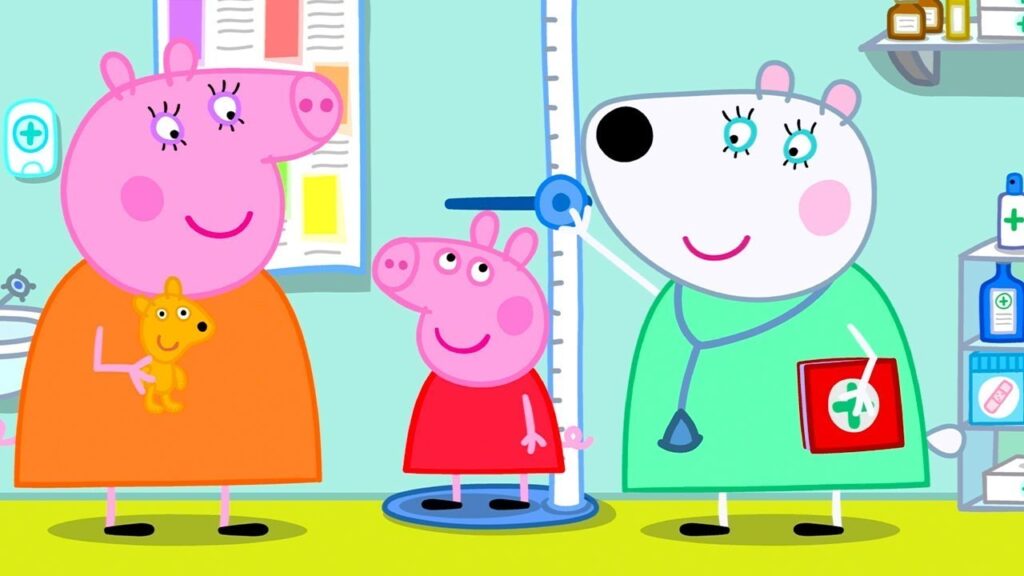
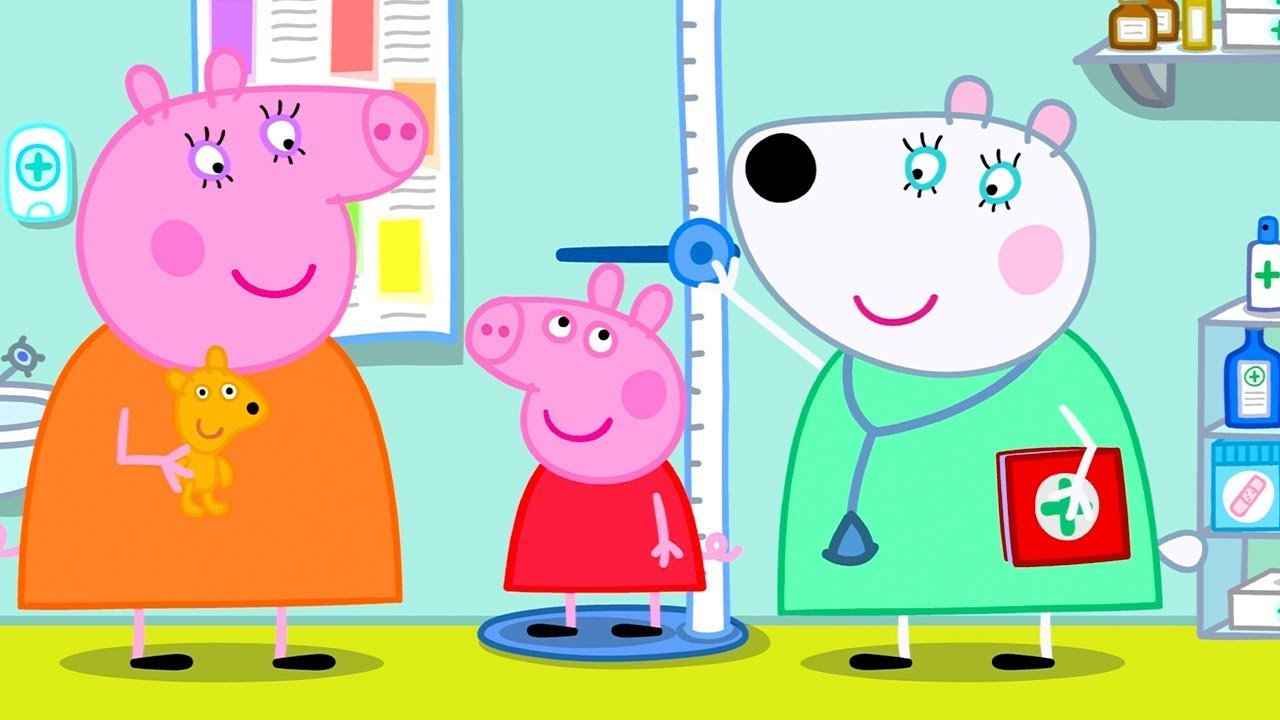
- Health check: Height, weight, heartbeat, ears, nose, mouth, diet (vegetables/fruits), vaccination, praise and stickers from family/teachers
- Art/family drawings: Drawing self and family, understanding different family cultures
- Park & exercise: Running, jumping, trampolines, hoops, climbing—movement, safety rules, teamwork, and challenges
- Failure & challenge: Monkey bars, trampoline falls, mum’s rescue, retry attempts, sharing worries together
- Play/traffic: Toy car driving, traffic rules at roundabouts, patience and sharing practice
- Library/party: Diary writing, cleaning habits, potty training, daily routines emphasizing honesty and self-care
Educational Impact & Developmental Benefits
- Health habit formation: Children who watch educational content like Peppa Pig show reduced anxiety during real health checks and dental visits, with improved habit formation and problem-solving skills.
- Physical & social development: Play, exercise, and cooperative rule-following enhance self-esteem, social skills, impulse control, and cognitive/language development.
- Honesty & responsibility: Patterns of honest confession after mistakes, joint problem-solving, and retry attempts build positive behaviors and develop responsibility and leadership qualities.
Practical Q&A & Parenting Guide
Q: What if kids resist play/exercise/rules?
“Let children experience rules directly through play and movement. Repeat success experiences, praise, and teamwork—they’ll naturally accept them.”
Q: High anxiety for health checks or new experiences?
“Prepare with role-play and conversations beforehand. Share family and friends’ stories. Preview learning through books or videos is very effective.”
Q: How to handle mistakes, failures, or lies?
“Don’t hide failures—practice the pattern of ‘honest confession → fix together → retry’ repeatedly through play, art, and daily activities.”
5 Key Parenting/Development Tips
- Repeated play, movement, failure, challenge, and teamwork are essential for autonomy, social skills, and emotional development.
- Parent and teacher modeling through actual behavior is the best way to transmit health habits, manners, and honesty.
- Connect daily routines (exercise, books, family play, cleaning) and rules with empathy, play, and praise.
- In failure→challenge→retry cycles, emphasize process, effort, and teamwork over perfection.
- Praise not only success but also the processes of challenging, being honest, and fixing together.
Conclusion—Learning Healthy & Happy Growth Through Peppa Pig
Peppa Pig is more than just a cartoon. Through health checks, play, exercise, family time, and experiences with mistakes and challenges, children naturally learn the health habits, social skills, honesty, and independence they need in real life. Parents, watch Peppa‘s stories together with your children, have conversations, and apply the lessons in daily life.